Cultural responsive and relatable pedagogy is a research-based framework that recognizes the importance of incorporating students’ cultural backgrounds and experiences into the learning process, making education more inclusive and relevant. Toronto’s Nuit Blanche – an annual event that celebrates art, culture, and diversity in the heart of Canada’s largest city – helps to demonstrates this pedagogy by creating a space for diverse voices, as well as presents the perfect opportunity to bring CRRP into our teaching practice.
#nbTO23 #NuitBlancheTO
Cultural Responsive Pedagogy: A Brief Overview
Cultural responsive pedagogy is an educational approach that recognizes the cultural backgrounds and experiences of students as valuable assets in the learning process. It acknowledges that students come from diverse backgrounds and that their cultural identities can influence how they learn and engage with the curriculum. This pedagogical approach seeks to create a classroom environment where students feel seen, heard, and valued for who they are.
According to the Government of Ontario on Human Rights, Equity and Inclusive Education,
In an inclusive education system, students must see themselves reflected in the curriculum, their physical surroundings, and the broader environment, so that they can feel engaged in and empowered by their learning experiences. Students need to experience teaching and learning that reflect their needs and who they are. To ensure that this happens, educators in Ontario schools embrace culturally responsive and relevant pedagogy (CRRP), which recognizes that all students learn in ways that are connected to background, language, family structure, and social or cultural identity.
CRRP provides a framework for building positive environments, improving student responsibility and success, encouraging parent-school relationships, and building strong community connections. It also emphasizes that it is important for educators and school leaders to examine their own biases and to analyse how their own identities and experiences affect how they view, understand, and interact with all students. This can help to prevent discrimination, harassment, and the creation of poisoned environments. Educators are responsible for meaningful teaching and learning that recognizes and responds to who is in the classroom and the school.
By knowing “who our students are”, educators and leaders can tailor policies, programs, and practices to better meet the needs of their diverse student populations, to provide accommodation of the needs specified by human rights law, and to ensure that every student has the opportunity to succeed. CRRP involves recognizing that “culture” encompasses various aspects of social and personal identity. It also means acknowledging students’ multiple social and personal identities and the social issues that arise where identities intersect. The CRRP approach is designed to spark conversation and support educators and school leaders as they seek to implement effective equity strategies and policies. Educators are encouraged to engage in meaningful inquiry, in collaboration with colleagues, to address equity issues and the particular needs of the students they serve.
https://www.dcp.edu.gov.on.ca/en/program-planning/considerations-for-program-planning/human-rights-equity-and-inclusive-education
Key principles of cultural responsive pedagogy include:
- Cultural Awareness: Educators must be aware of their own cultural biases and the cultural backgrounds of their students. This awareness is essential for creating an inclusive and respectful classroom environment.
- Inclusive Curriculum: Teachers adapt and diversify their curriculum to include diverse perspectives and experiences, making the content more relatable and accessible to all students.
- Student Voice: Encouraging students to share their own experiences and perspectives in the classroom fosters a sense of belonging and empowerment.
- Equity and Social Justice: Cultural responsive pedagogy aims to address systemic inequalities and promote social justice in education.
Nuit Blanche: A Celebration of Culture and Creativity
Toronto’s Nuit Blanche is an annual all-night art event that showcases contemporary art installations, performances, and exhibitions throughout the city. The event transforms Toronto and the GTA’s streets and public spaces into a massive outdoor art gallery. What makes Nuit Blanche particularly relevant to our discussion on cultural responsive pedagogy is its recognition and intentional space for diverse perspectives and voices.
The theme for this year, which centres on environmental concerns under the title “Breaking Ground,” encourages artists to delve into topics such as climate change, the effects of urban development on communities, and the shared responsibilities related to land and stewardship.
Nuit Blanche provides a unique opportunity for educators to connect with their students on multiple levels:
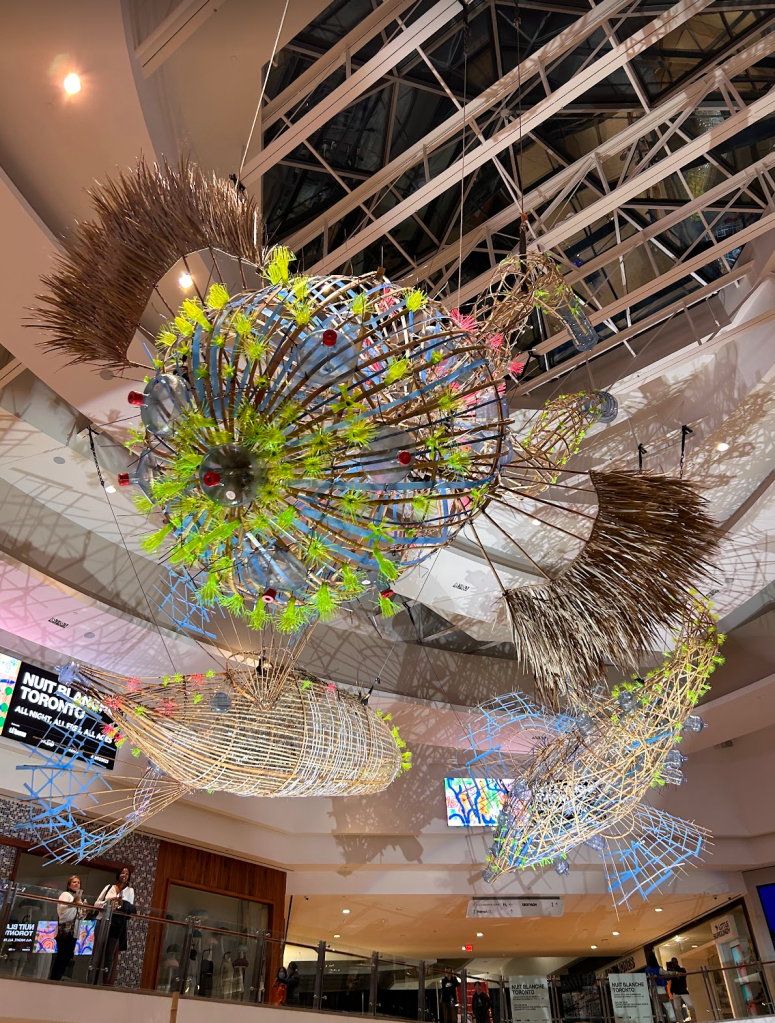
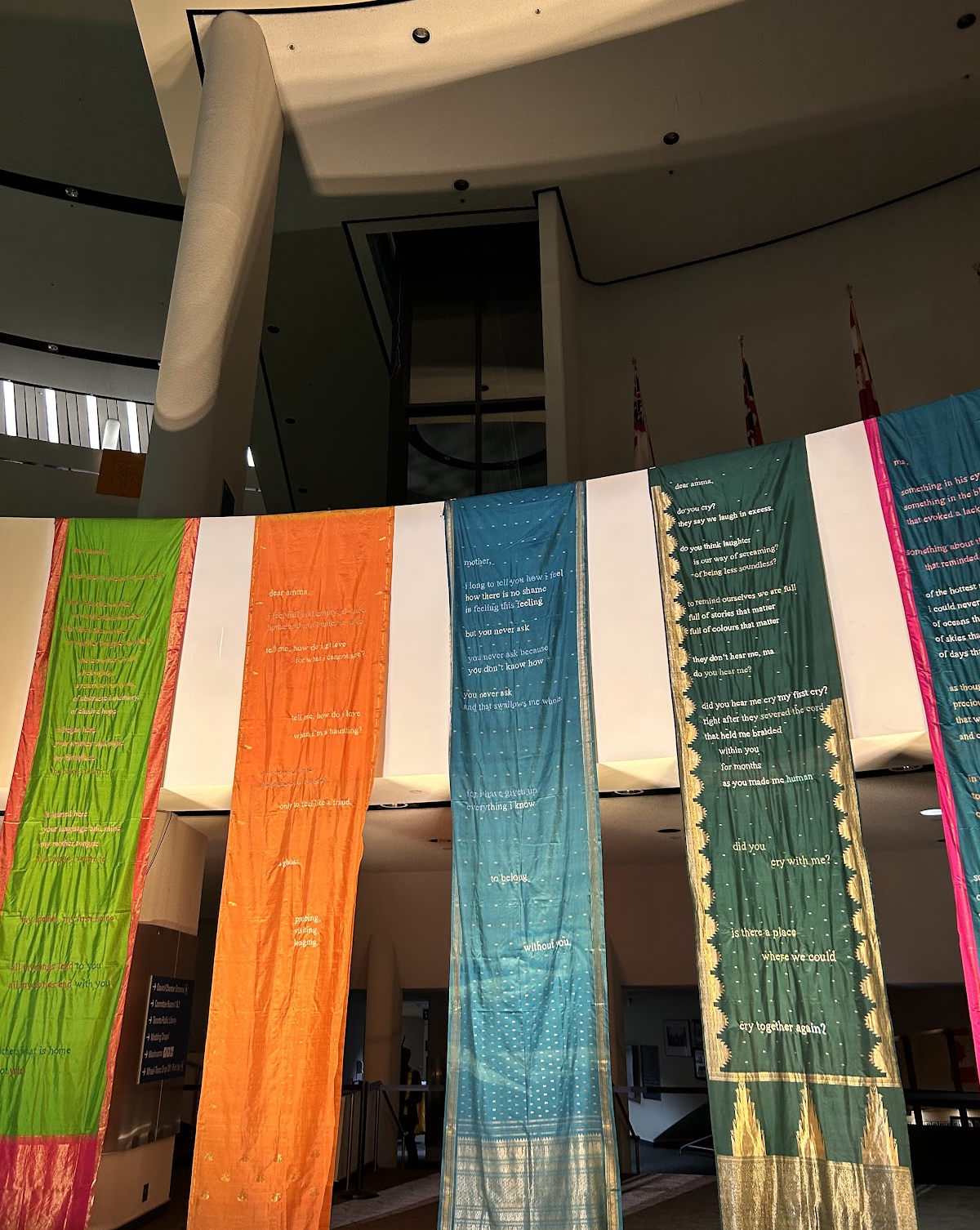
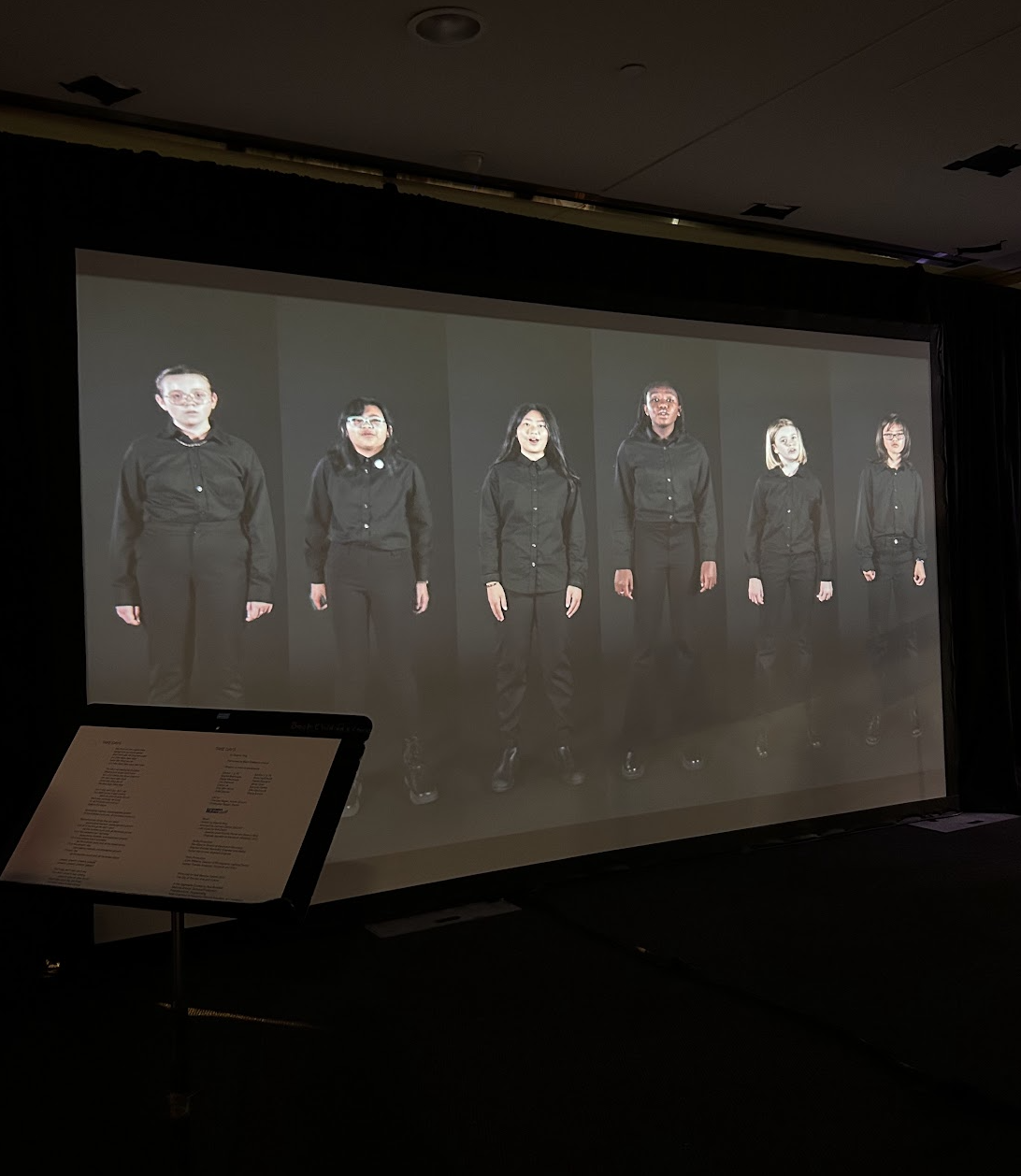
- Cultural Representation: Nuit Blanche features artists and artworks that draw inspiration from various cultures and traditions. Educators can use these artworks as a starting point for discussions on cultural diversity and the importance of representation in the arts. Cultural representation at Nuit Blanche can vary from year to year and often includes a diverse range of art installations, performances, and exhibitions inspired by different cultures and traditions. These are ones that stood out to me (you can find more here):
- Leeroy New’s Balangay Starfleet reimagined ancient Philippine boats into futuristic bamboo and plastic vessels suspended mid-aerial encounter.
- Your Wish is Your Command, by Divya Mehra, poked at colonial underpinnings in the Financial District with a magic lamp.
- Letters of Haunting, by Par Nair, a series of textile installations (embroidered letters on sarees) that explores familial histories in diaspora through reclamation of ancestral traditions.
- Archer Pechawis, Ian Goodtime, Daylight, a musical examination of the phenomenon of Toronto’s buried rivers with an attempt to uncover or “daylight” a buried stream by digging it up with a spoon.
- Circle of Enquiry for a Dish with One Spoon, by Bonnie Devine, where wild reeds from the marshlands were braided into a circle in the centre of the city, to make a place to talk.
- Community Engagement: The event brings together people from diverse backgrounds, fostering a sense of community and inclusivity. Educators can encourage students to explore and engage with their own communities (and others) by researching/visiting the art installations.
- Creativity and Expression: Nuit Blanche celebrates the creative spirit of artists and encourages them to push boundaries. This can inspire students to explore their own creativity and express themselves through art and other forms of self-expression.
- Real-World Learning: Attending Nuit Blanche can be a real-world learning experience, where students can apply concepts learned in the classroom to understand and appreciate the art installations and performances they encounter.
Connecting the Dots: Cultural Responsive Pedagogy and Nuit Blanche
So, how do cultural responsive pedagogy and Nuit Blanche intersect? The key lies in recognizing that Nuit Blanche provides a tangible opportunity to bring cultural diversity, creativity, and community engagement into the classroom. Here are some strategies for educators to connect the two:
- Pre-Event Preparation: Before attending Nuit Blanche, teachers can introduce the concept of the event to their students. Discuss the importance of celebrating cultural diversity and creativity in art.
- Art Analysis: Encourage students to critically analyze the art installations and performances they encounter at Nuit Blanche. How do these artworks reflect different cultures and perspectives? What messages or emotions do they convey?
- Student Reflections: After attending the event, have students reflect on their experiences. How did they feel about the event? Did they discover new perspectives or cultural elements they hadn’t encountered before?
- Creative Projects: Inspire students to create their own art projects inspired by Nuit Blanche. This could include visual art, performances, or written reflections that incorporate elements of cultural diversity and creativity.
Toronto’s Nuit Blanche offers a unique opportunity for educators to connect with their students through the celebration of cultural diversity and creativity in the arts. Through #nbTO23’s theme of the real-world challenge climate change, the impact of urban development on communities and collective responsibilities around land and stewardship, we can even create cross curricular connections between the arts and STEM (making STEM more relatable to youth who might be feeling a disconnect). By incorporating this event (and other local live events) into the curriculum, educators can foster a deeper understanding of cultural awareness, community engagement, and creative expression, ultimately creating a more impactful learning experience for our students.
 ABBEY RAMDEO